The Book of Signs: Chapter 5
Apostles Anglican Church
Fr. John A. Roop
The Gospel of John, Chapter 5: The Healing at Bethesda
The Lord be with you.
And with your spirit.
Let us pray.
Go before us, O Lord, in all our doings with your most gracious favor, and further us with your continual help; that in all our works begun, continued, and ended in you, we may glorify your holy Name, and finally, through your mercy, obtain everlasting life; through Jesus Christ our Lord. Amen.
Introduction
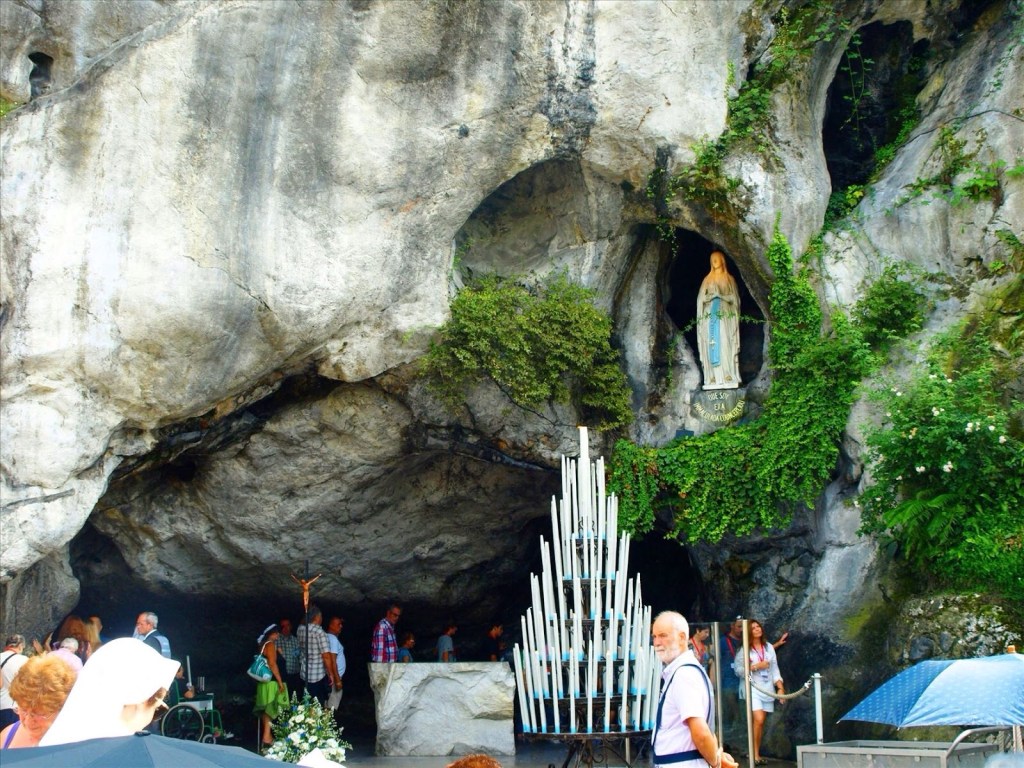
I have never been to the town of Lourdes in France. Millions have visited, making pilgrimages there since 1858 when the Blessed Virgin Mary appeared to Bernadette Soubirous and the miraculous healings began. Currently, it is estimated that some six million people descend on Lourdes annually, including sixty thousand sick or disabled persons seeking healing through taking the waters. There is a spring at Lourdes in the Grotto of Massabielle that purportedly has healing powers; in the original apparition the Blessed Virgin Mary instructed people to “drink at the spring and bathe in it.”
Some two hundred million people have visited Lourdes since 1858, many of whom came specifically for healing. Of that total, there have been roughly 7000 reported healings. For lovers of statistics, that is 0.0035 percent. Of those 7000 reported healings only 70 have been verified and certified by the Roman Catholic Church. One hundred seventy years, two hundred million pilgrims, seventy certified healings: not to be crass or irreverent, but your odds of being healed at Lourdes are only marginally better than those of winning the Power Ball Lottery. Still, people play the lottery, and still millions come to the waters at Lourdes, some for devotional intent only, but many with terminal diagnoses and many carried by friends, many praying for healing.
Belief in healing waters is nothing new. In fact, it is the basis for the third of Jesus’s signs recorded by St. John.
The Healing at the Pool on the Sabbath
Let’s read the account of the sign, the healing of a lame man.
1 After this there was a feast of the Jews, and Jesus went up to Jerusalem.
2 Now there is in Jerusalem by the Sheep Gate a pool, in Aramaic called Bethesda, which has five roofed colonnades. 3 In these lay a multitude of invalids—blind, lame, and paralyzed. 5 One man was there who had been an invalid for thirty-eight years. 6 When Jesus saw him lying there and knew that he had already been there a long time, he said to him, “Do you want to be healed?” 7 The sick man answered him, “Sir, I have no one to put me into the pool when the water is stirred up, and while I am going another steps down before me.” 8 Jesus said to him, “Get up, take up your bed, and walk.” 9 And at once the man was healed, and he took up his bed and walked (John 5:1-9a).
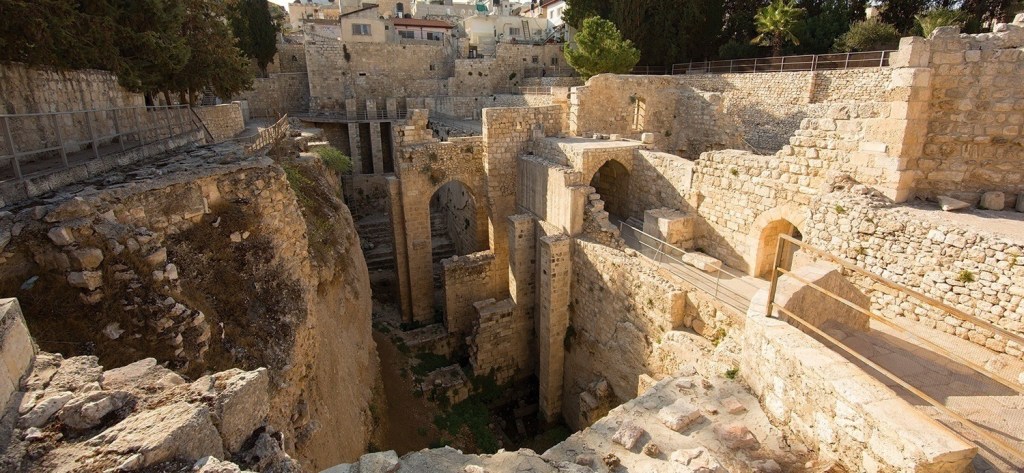
This sounds very Lourdes-like, doesn’t it, people coming to the water that has a reputation for healing powers. Some few manuscripts of St. John’s Gospel — not the oldest or most reliable ones — include an additional verse that explains the source of healing and the source of the particular dilemma faced by this lame man:
4 for an angel of the Lord went down at certain seasons into the pool, and stirred the water; whoever stepped in first after the stirring of the water was healed of whatever disease he had.
Whether we believe this explanation or not doesn’t matter; people came expecting or at least hoping for healing.
Notice the question Jesus asks: “Do you want to be healed?” What do you think about such a question? Is it rhetorical or actual inquiry? Why might Jesus ask it?
A healing will change this man’s life profoundly in ways that he is perhaps not ready for and maybe won’t like. I have tried to help a few homeless persons get off the street and into stable housing. The efforts have always been unsuccessful. They were either unwilling to take the few steps necessary to start the process — sometimes as simple as a phone call — or else psychologically unable to make themselves do so. It was and is a mystery to me, but change is hard, and I have never been in their state before so I have no cause to judge. Do you want to enter a rehab program? Do you want to get off the streets? Do you want to be healed? These aren’t unreasonable questions. And, the man doesn’t answer directly. He simply explains to Jesus why he is still disabled; he has no one to help him into the water.
It is not, after all, the water that he needs, but rather a word of healing from Jesus.
8 Jesus said to him, “Get up, take up your bed, and walk.” 9 And at once the man was healed, and he took up his bed and walked (John 5:8-9a).
Now, if we take this healing at face value as one of St. John’s seven signs, what is it a sign pointing to? What more do we know about Jesus or his mission through it? After all, we have seen Jesus heal before: the official’s son in John 4. What does this sign add?
Now, I must confess that I have cheated you a bit in my telling of the story. I have given you only the first part of verse 9 as if that concludes the account.
9 And at once the man was healed, and he took up his bed and walked (John 5:9a).
Stopping here implies that the physical healing is the sign. But, let’s hear the whole verse.
9 And at once the man was healed, and he took up his bed and walked. Now that day was the Sabbath (John 5:9).
Does that detail — that the healing took place on the Sabbath — change things, perhaps even change the nature of the sign? If you read the remainder of the chapter, the fact that the healing took place on the Sabbath is the only thing of importance to the Jewish authorities. They seem to take the actual healing with a grain of salt. But the Sabbath — that’s another matter entirely. So, I might suggest that we consider just the possibility that the timing of the healing, on the Sabbath, was the most important part of the sign. To explain that, I need to backtrack to John 2, to the cleansing of the temple.
What was the significance of the temple to the Jews? It was the focal point in space of the kingdom of God on earth as in heaven. It was where the glory of God resided or at least used to reside. It was the nexus of forgiveness and worship and prayer. It was the closest thing the Jews had to the kingdom of God in physical space. That is why it was so significant when Jesus cleansed the temple and called it his Father’s house. He was claiming authority over the kingdom of God in space.
What was the significance of the Sabbath? It was the focal point in time of the kingdom of God on earth as in heaven. It was the intersection of the age to come with this present age, a foretaste of that time when the world will be filled with the knowledge of the glory of God as the waters cover the sea. What the temple was in space, the Sabbath was in time. Now, keep in mind the earlier cleansing of the temple as you listen to the rest of this healing story play out.
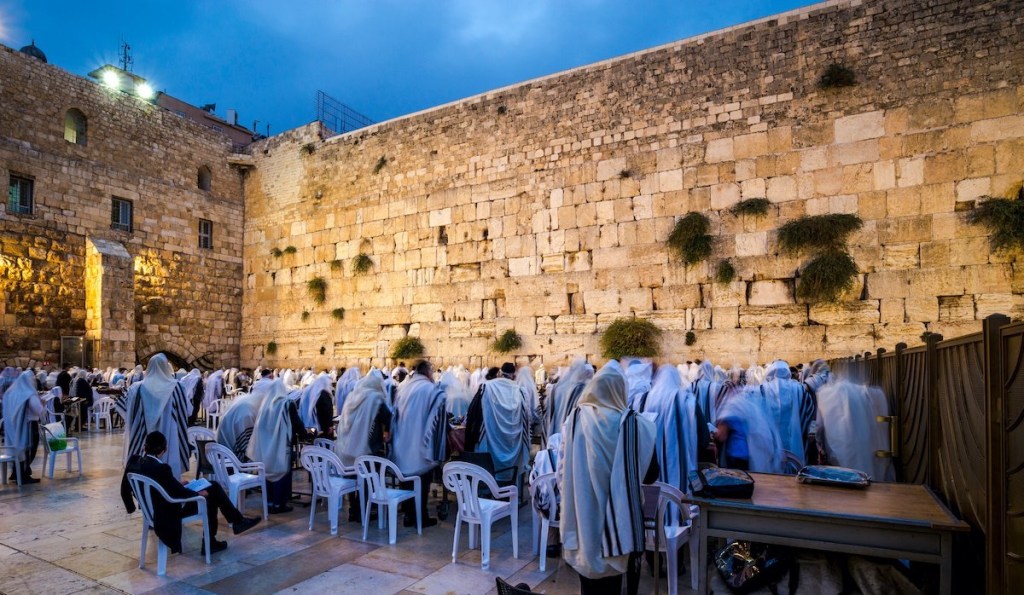
Now that day was the Sabbath. 10 So the Jews said to the man who had been healed, “It is the Sabbath, and it is not lawful for you to take up your bed.” 11 But he answered them, “The man who healed me, that man said to me, ‘Take up your bed, and walk.’ ” 12 They asked him, “Who is the man who said to you, ‘Take up your bed and walk’?” 13 Now the man who had been healed did not know who it was, for Jesus had withdrawn, as there was a crowd in the place. 14 Afterward Jesus found him in the temple and said to him, “See, you are well! Sin no more, that nothing worse may happen to you.” 15 The man went away and told the Jews that it was Jesus who had healed him. 16 And this was why the Jews were persecuting Jesus, because he was doing these things on the Sabbath. 17 But Jesus answered them, “My Father is working until now, and I am working.”
18 This was why the Jews were seeking all the more to kill him, because not only was he breaking the Sabbath, but he was even calling God his own Father, making himself equal with God (John 5:9b-18).
When he cleansed the temple, Jesus identified it as his Father’s house. Here, when Jesus answers the charges of violating the Sabbath by saying, “My Father is working until now, and I am working,” he identifies the Sabbath as his Father’s time. Put both of these accounts together, and we have Jesus acting as God, laying claim to God’s kingdom in both space and time. Where Jesus is, when he is there, that is the in-breaking of the Kingdom of God. The Jewish authorities knew exactly what he was claiming, and they sought to kill him for his blasphemy. So, I think we need to take our cue from the Jewish authorities as we read this text: the sign is not merely the healing of a disabled man, but the timing of the healing: on the Sabbath.
Discourse: Part 1 — The Father’s Work Given To the Son
Now, following the sign, we have an extended discourse, Jesus speaking directly to the authorities.
Jesus defended his healing on the Sabbath by saying, “My Father is working until now, and I am working.” In this discourse he details some of the work of his Father that he is participating in. As we read the text, let’s identify that work, the mission the Father has given the Son.
19 So Jesus said to them, “Truly, truly, I say to you, the Son can do nothing of his own accord, but only what he sees the Father doing. For whatever the Father does, that the Son does likewise. 20 For the Father loves the Son and shows him all that he himself is doing. And greater works than these will he show him, so that you may marvel. 21 For as the Father raises the dead and gives them life, so also the Son gives life to whom he will. 22 For the Father judges no one, but has given all judgment to the Son, 23 that all may honor the Son, just as they honor the Father. Whoever does not honor the Son does not honor the Father who sent him. 24 Truly, truly, I say to you, whoever hears my word and believes him who sent me has eternal life. He does not come into judgment, but has passed from death to life.
25 “Truly, truly, I say to you, an hour is coming, and is now here, when the dead will hear the voice of the Son of God, and those who hear will live. 26 For as the Father has life in himself, so he has granted the Son also to have life in himself. 27 And he has given him authority to execute judgment, because he is the Son of Man. 28 Do not marvel at this, for an hour is coming when all who are in the tombs will hear his voice 29 and come out, those who have done good to the resurrection of life, and those who have done evil to the resurrection of judgment (John 5:19-29).
What is the work the Father has given the Son?
Giving Life: As the Father raises the dead and gives them life, so also the Son gives life to whom he will (John 5:21). This takes us back to St. John’s Prologue:
1 In the beginning was the Word, and the Word was with God, and the Word was God. 2 He was in the beginning with God. 3 All things were made through him, and without him was not any thing made that was made. 4 In him was life, and the life was the light of men. 5 The light shines in the darkness, and the darkness has not overcome it (John 1:1-5).
This also takes us back to Jesus’ conversation with Nicodemus:
16 “For God so loved the world, that he gave his only Son, that whoever believes in him should not perish but have eternal life. 17 For God did not send his Son into the world to condemn the world, but in order that the world might be saved through him. 18 Whoever believes in him is not condemned, but whoever does not believe is condemned already, because he has not believed in the name of the only Son of God. 19 And this is the judgment: the light has come into the world, and people loved the darkness rather than the light because their works were evil. 20 For everyone who does wicked things hates the light and does not come to the light, lest his works should be exposed. 21 But whoever does what is true comes to the light, so that it may be clearly seen that his works have been carried out in God” (John 3:16-21).
In this passage, Jesus mentions both life and judgment. He came to bring life, not to judge. But, let’s return to our passage in John 5 to see what Jesus says about that.
Bringing Judgment: 22 For the Father judges no one, but has given all judgment to the Son, 23 that all may honor the Son, just as they honor the Father. Whoever does not honor the Son does not honor the Father who sent him. 24 Truly, truly, I say to you, whoever hears my word and believes him who sent me has eternal life. He does not come into judgment, but has passed from death to life (John 5:22-24).
Judgment is part of the work the Father has given to the Son. But, it seems to be a rather “passive” sort of judgment. By that I mean that Jesus’ purpose — his mission — is not judgment/condemnation but rather life. He comes offering life for all who will accept it. Those who refuse life, those who will not believe, embrace death instead by their own choice. In doing so, they judge/condemn themselves. Jesus’ very presence engenders differentiation, not so much through Jesus’ judgment of us, but through our own judgement of him. Again, St. John’s Prologue pointed toward this:
9 The true light, which gives light to everyone, was coming into the world. 10 He was in the world, and the world was made through him, yet the world did not know him. 11 He came to his own, and his own people did not receive him. 12 But to all who did receive him, who believed in his name, he gave the right to become children of God, 13 who were born, not of blood nor of the will of the flesh nor of the will of man, but of God (John 1:9-13).
Defeating Death: If we read Genesis 3-11 carefully, we will notice not just one fall of man, but at least three — Adam and Eve, Cain, and the builders of Babel — with distinct consequences: death, bondage to sin, enslavement to the fallen powers. The power of death and corruption has spread to all creation; see Romans 8 and 1 Corinthians 15. Jesus assures us in this discourse that the last enemy, death, will one day be destroyed; that is part of the work his Father has given him to do.
26 For as the Father has life in himself, so he has granted the Son also to have life in himself. 27 And he has given him authority to execute judgment, because he is the Son of Man. 28 Do not marvel at this, for an hour is coming when all who are in the tombs will hear his voice 29 and come out, those who have done good to the resurrection of life, and those who have done evil to the resurrection of judgment (John 5:26-29).
Resurrection and life is the telos — the end/goal — of all people, the righteous and the unrighteous alike; not one person will be left in the tombs because Jesus has come to destroy death. His own resurrection is the firstfruits of that victory, a sign pointing toward the complete destruction of death to come.
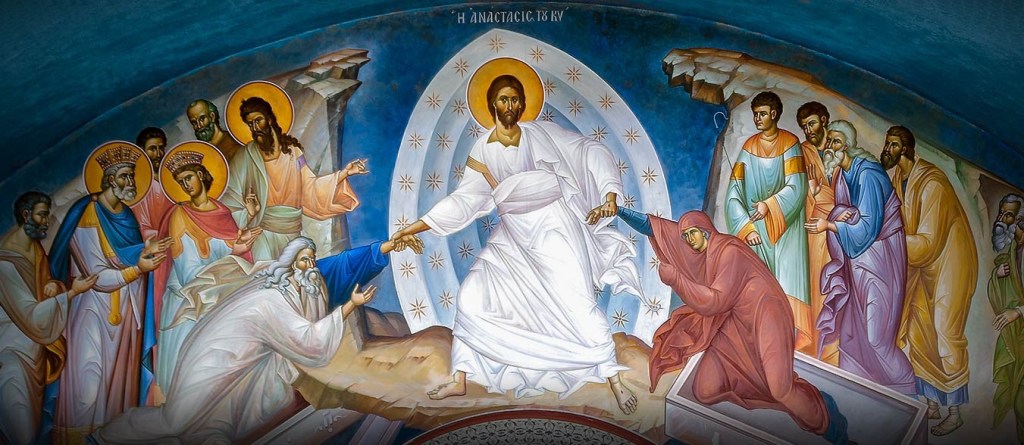
We have a canticle that we sing at Morning Prayer in Eastertide that captures this victory over death beautifully: the Pascha Nostrum (Christ Our Passover).
Pascha Nostrum (Christ Our Passover)
Alleluia. Christ our Passover has been sacrificed for us; *
therefore let us keep the feast,
Not with the old leaven, the leaven of malice and evil, *
but with the unleavened bread of sincerity and truth. Alleluia.
Christ being raised from the dead will never die again; *
death no longer has dominion over him.
The death that he died, he died to sin, once for all; *
but the life he lives, he lives to God.
So also consider yourselves dead to sin, *
and alive to God in Jesus Christ our Lord. Alleluia.
Christ has been raised from the dead, *
the firstfruits of those who have fallen asleep.
For since by a man came death, *
by a man has come also the resurrection of the dead.
For as in Adam all die, *
so also in Christ shall all be made alive. Alleluia.
Giving life, bringing judgment, and defeating death: this is the work the Father has given the Son to do, and he is doing that work even on — and perhaps especially on — the Sabbath, the focal point in time of the in-breaking of the Kingdom of God.
Discourse: Part 2 — Witnesses To the Son
When we consider the seven signs in St. John’s Gospel, we generally focus on those things that Jesus did to inaugurate the Kingdom and to establish his identity and authority. But, there are other signs as well; Jesus calls them witnesses that bear testimony to him, reasons that the people and the authorities should believe. Jesus details several of these witnesses in the final part of this discourse. Let’s scan the text to see if we can identify the witnesses.
30 “I can do nothing on my own. As I hear, I judge, and my judgment is just, because I seek not my own will but the will of him who sent me. 31 If I alone bear witness about myself, my testimony is not true. 32 There is another who bears witness about me, and I know that the testimony that he bears about me is true. 33 You sent to John, and he has borne witness to the truth. 34 Not that the testimony that I receive is from man, but I say these things so that you may be saved. 35 He was a burning and shining lamp, and you were willing to rejoice for a while in his light. 36 But the testimony that I have is greater than that of John. For the works that the Father has given me to accomplish, the very works that I am doing, bear witness about me that the Father has sent me. 37 And the Father who sent me has himself borne witness about me. His voice you have never heard, his form you have never seen, 38 and you do not have his word abiding in you, for you do not believe the one whom he has sent. 39 You search the Scriptures because you think that in them you have eternal life; and it is they that bear witness about me, 40 yet you refuse to come to me that you may have life. 41 I do not receive glory from people. 42 But I know that you do not have the love of God within you. 43 I have come in my Father’s name, and you do not receive me. If another comes in his own name, you will receive him. 44 How can you believe, when you receive glory from one another and do not seek the glory that comes from the only God? 45 Do not think that I will accuse you to the Father. There is one who accuses you: Moses, on whom you have set your hope. 46 For if you believed Moses, you would believe me; for he wrote of me. 47 But if you do not believe his writings, how will you believe my words” (John 5:30-47)?
Jesus identifies these witnesses: John the Baptist, the works that Jesus does, the Father, the Scriptures (Moses and his writings).
John the Baptist: Again, we find this in the Prologue and throughout the first chapter of the Gospel.
6 There was a man sent from God, whose name was John. 7He came as a witness, to bear witness about the light, that all might believe through him. 8 He was not the light, but came to bear witness about the light (John 1:6-8).
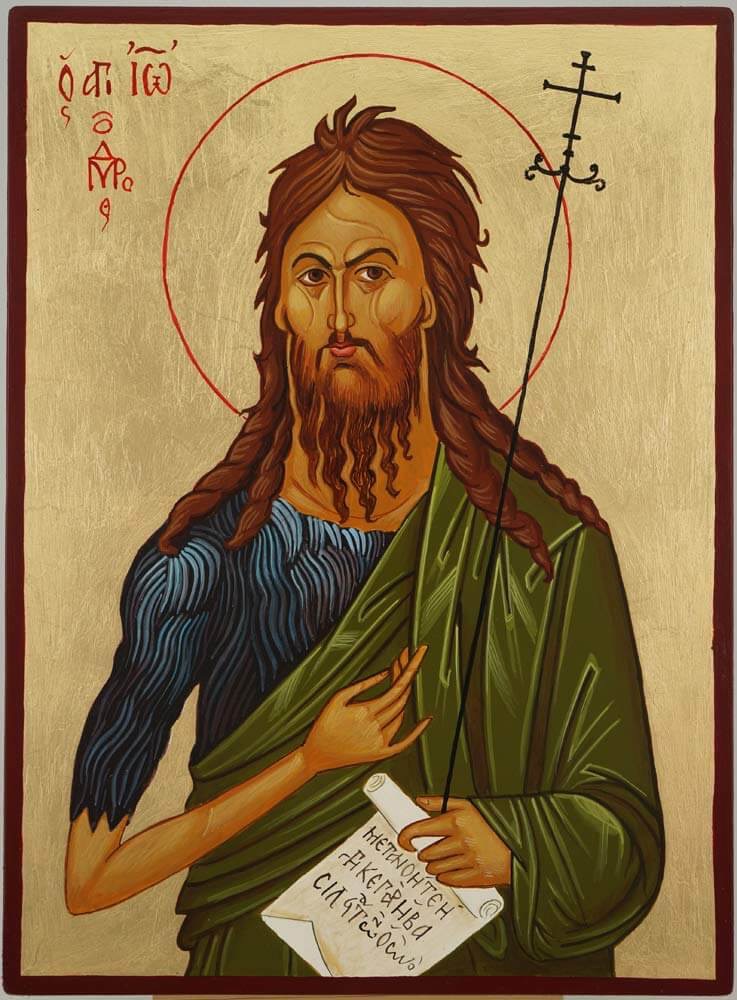
What was John’s testimony to Jesus? “Behold, the Lamb of God, who takes away the sin of the world” (John 1:29)! We know that the people considered John a prophet; the heart of his prophecy was pointing toward Jesus, decreasing himself that Jesus might increase.
The Works: Do you remember what Nicodemus, a teacher of the Jews, first said when he came to see Jesus?
1 Now there was a man of the Pharisees named Nicodemus, a ruler of the Jews. 2 This man came to Jesus by night and said to him, “Rabbi, we know that you are a teacher come from God, for no one can do these signs that you do unless God is with him” (John 3:1-2).
If, as Fr. Jack mentioned in his class on John 3, Nicodemus was not coming solely of his own volition, but rather as a representative of the Sanhedrin, then these authorities were acknowledging the works that Jesus was doing, even if grudgingly. So, the works bore witness to Jesus.
The Father
How did the Father bear witness to Jesus? Though it is not found in St. John’s Gospel, we have this from St. Luke, an event that would still be in many people’s memory:
21 Now when all the people were baptized, and when Jesus also had been baptized and was praying, the heavens were opened, 22 and the Holy Spirit descended on him in bodily form, like a dove; and a voice came from heaven, “You are my beloved Son; with you I am well pleased” (Luke 3:21-22).
The Scripture/Moses
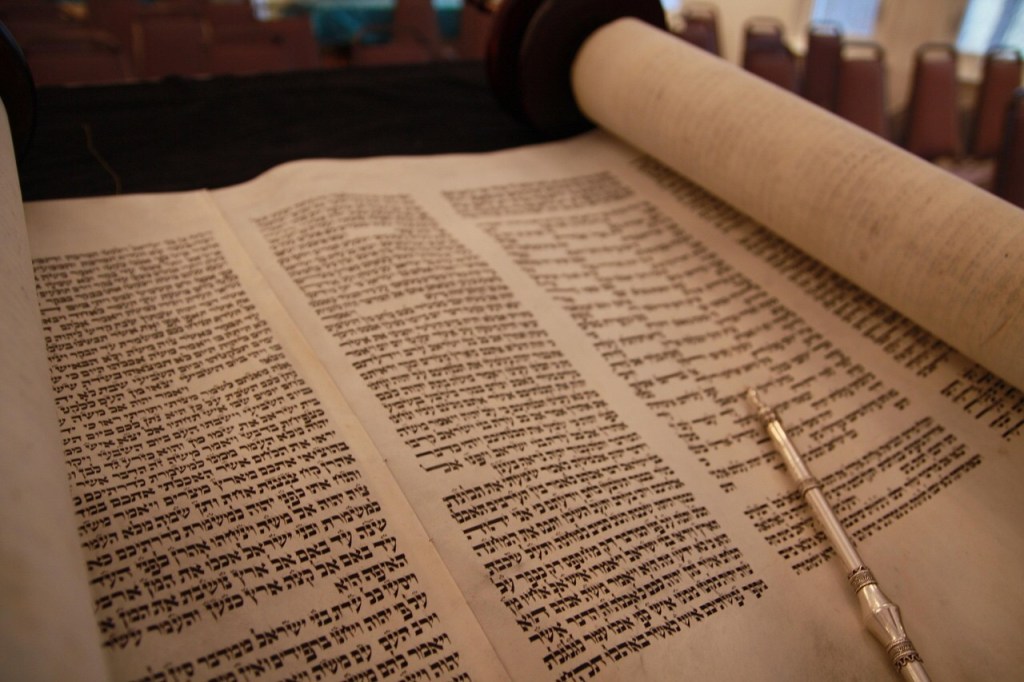
39 You search the Scriptures because you think that in them you have eternal life; and it is they that bear witness about me, 40 yet you refuse to come to me that you may have life (John 5:39-40).
46 For if you believed Moses, you would believe me; for he wrote of me. 47 But if you do not believe his writings, how will you believe my words” (John 5:46-47)?
These Scriptures remind me of two others, both from St. Luke’s Gospel, one a parable and one a post-resurrection appearance.
Do you remember Abraham’s response when the rich man begged him to send Lazarus to his brothers so that they might escape his fate?
29 But Abraham said, ‘They have Moses and the Prophets; let them hear them.’ 30 And he said, ‘No, father Abraham, but if someone goes to them from the dead, they will repent.’ 31 He said to him, ‘If they do not hear Moses and the Prophets, neither will they be convinced if someone should rise from the dead’ ” (Luke 16:29-31).
Moses, rightly understood and rightly believed was the only witness the Jews needed to Jesus.
And then there is Jesus’ appearance to the disciples on the road to Emmaus.
27 And beginning with Moses and all the Prophets, he interpreted to them in all the Scriptures the things concerning himself (Luke 24:27).
It is all there in Moses and in the Scriptures for those who have the eyes and heart and will to see and to believe.
So, there are the signs that Jesus does — the seven that St. John gives us — and then then are the signs, or witnesses, that point toward Jesus: John the Baptist, the works of the Father, the Father himself, and Moses and the Scriptures. These are sufficient for anyone, especially for the Jewish authorities. And yet there is this sad commentary: “yet you refuse to come to me that you may have life” (see John 5:40). And that, too, is precisely what St. John noted in his Prologue: He came to his own, and his own people did not receive him (John 1:11).
Discussion
I would like us to close our time together with a further consideration of the witnesses to Jesus, the signs that point toward him. In particular, I’d like you to discuss these questionable with your table groups:
What would it look like for the Church to bear credible witness to Jesus today, to be a sign to the world of the Lordship of Jesus and of the in-breaking of the Kingdom of God?
What would we have to start doing, or at least start doing better?
What would we have to stop doing?
What tangible steps can we — you, Apostles — make toward that?


