
From Saint Paisios:
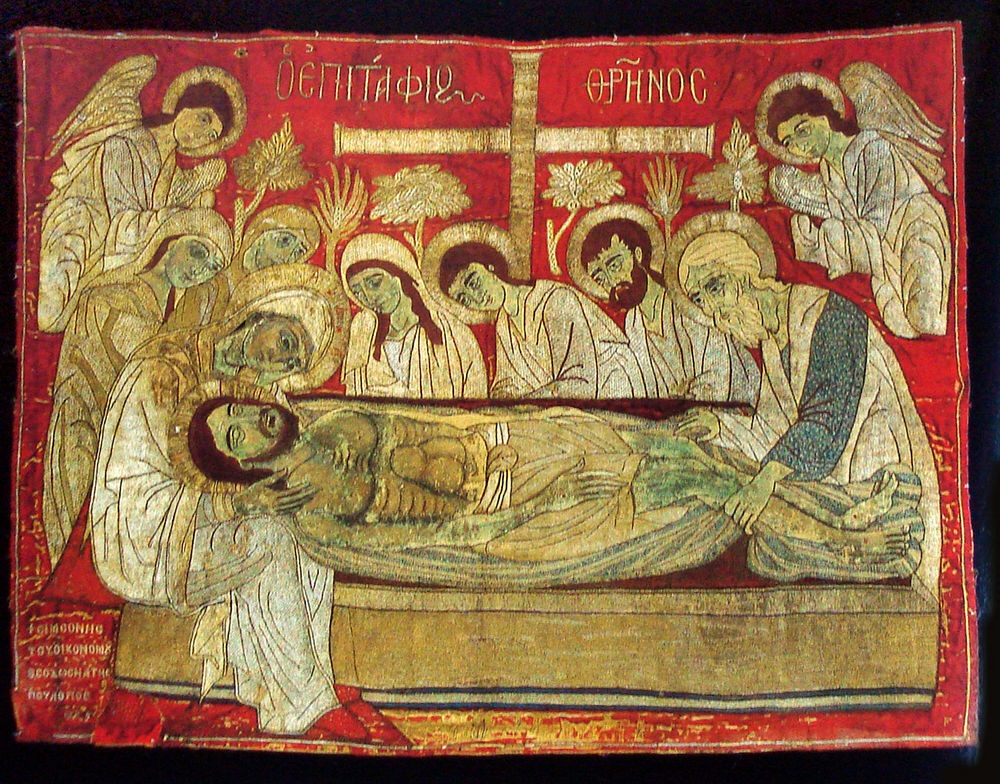
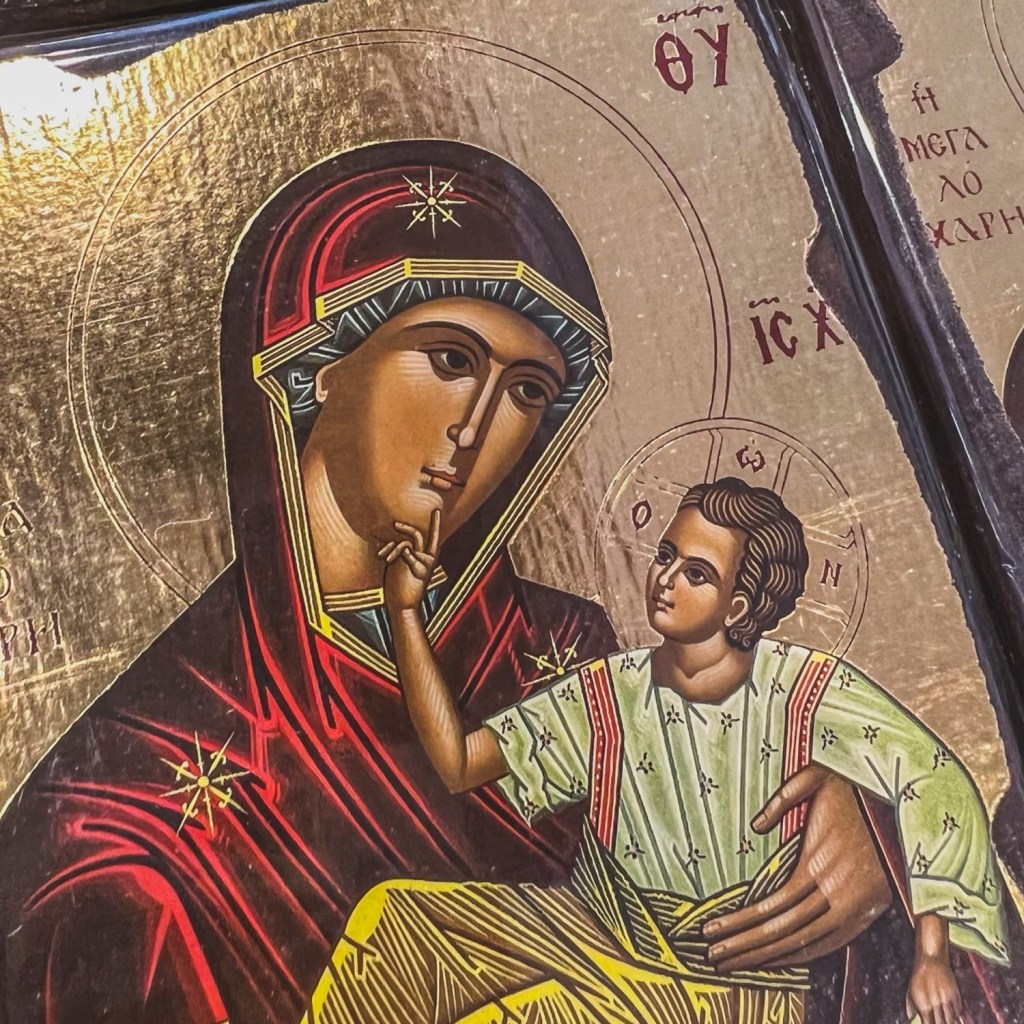
The icon which is painted with devoutness draws the Grace of God from the devout iconographer, and then eternally transmits solace to the faithful. The iconographer is depicted, translated, into the icon he makes; that is why the spiritual state of the iconographer plays such an extensive role. Father Tychon used to tell me, “My son, when I paint the Epitaphios icon, I chant the hymn: “The noble Joseph, after taking down Your sacred Body from the Cross, wrapped it in a clean shroud and laid it in a new tomb.” He used to shed tears as he chanted, and his tears fell upon the icon. Such an icon preaches an eternal message to the faithful of the world. Icons preach eternally down through the ages. One who is suffering will look upon an icon of Christ our Lord or of Panaghia and receive comfort (Saint Paisios the Athonite, Spiritual Counsels II: Spiritual Awakening, Holy Hesychasterion “Evangelist John the Theologian” (2024), p. 171).
Saint Paisios continues:
The entire foundation is devoutness. You see, one leans against a wall where an icon has stood and receives divine Grace, while another might own the best icon, but because he is not devout, receives no benefit. Or, one can be assisted by a simple wooden cross, while another, who is not devout, will not be assisted by the True Precious Cross itself (ibid, p. 172).
It matters little if icons are precious to you, an integral part of your faith, or if you eschew them as images bordering on idols. The selection from Saint Paisios only uses icons as a context for discussing devoutness — the devoutness of the one who creates and gives and the devoutness of the one who receives. It is not the product that matters primarily, but the spirit in which it was created and with which it is received.
Arvo Pärt’s music is the most performed of any living composer. It is lovely, but it is more. Pärt is a devout Orthodox Christian and his “devoutness” suffuses his music with a grace that less faithful composers simply cannot impart to theirs. I am listening to his “Spiegel im Spiegel” as I write. Mere listening is not, perhaps, prayer, but it is not far from the kingdom. More is received by the listener than mere aesthetic joy. Grace is imparted if the devoutness of the composer is met with the devoutness of the listener.
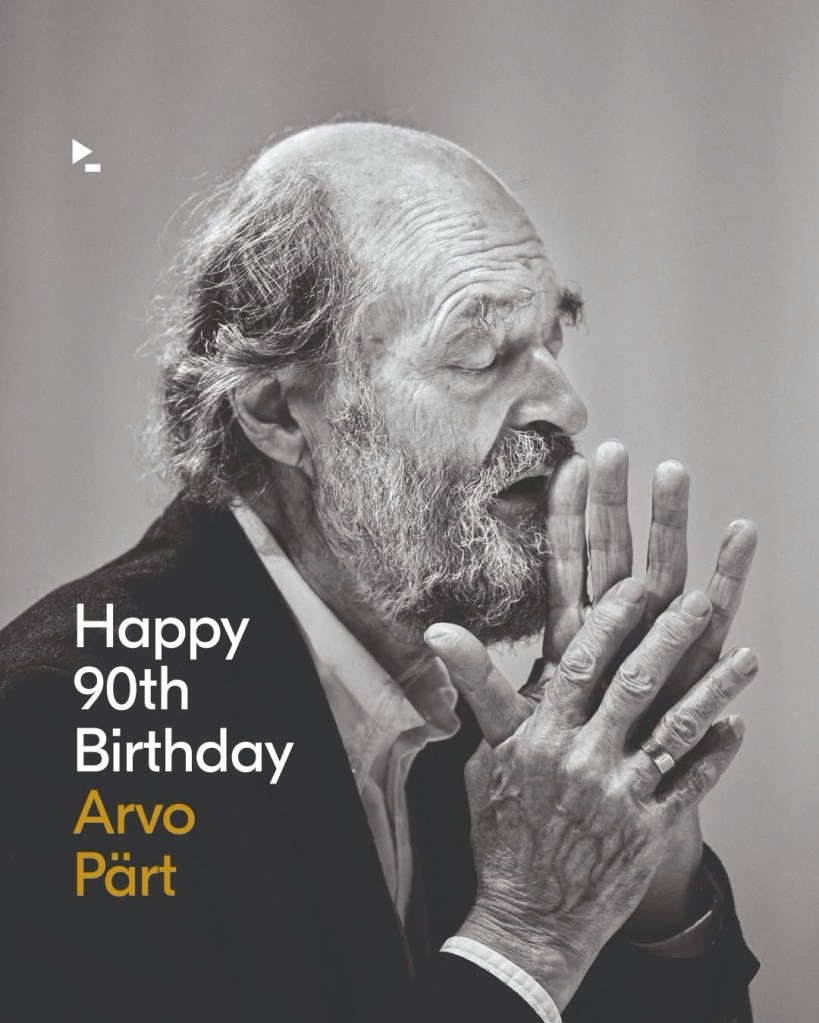
While I do not claim “devoutness” for myself, this music wafts its sweet aroma over me. I can receive a bit of its grace now, and, please God, more as I grow in holiness.
The spirit in which we do our work matters. If the devout iconographer can imbue his icon with grace, why not the devout teacher or lawyer or plumber or physician or carpenter or engineer or mother? Why not anyone who works as unto the Lord?
And if one can be assisted by a simple wooden cross as St. Paisios said, then why not me? “To the pure, all things are pure,” St. Paul writes to St. Titus (Titus 1:15a). “To the one who has, more will be given, and he will have an abundance,” says our Lord (Matt 13:12a). The one who has grace can perceive grace in all things and receive it as his own. When some see and receive only bread and wine, others — with devotion — see and receive the Body and Blood of our Lord, grace upon grace.
All this makes the cultivation of “devoutness” of utmost importance. The greatest gift one has to offer the world is his/her own devout heart.


 First Blessings