
I did not watch the televised coverage of the recent parade celebrating the 250th anniversary of the United States Army. But, in the few clips I have seen on the television or online, I have been heartened by one thing: how sloppy our service men and women looked in procession by comparison to their Russian, Chinese, or North Korean counterparts. These other nations know how to parade: perfect goose-stepping synchronization, arms swinging in perfect unison, spit shine on every boot. Our soldiers just kind of ambled down the street in the same general direction with no grand sense of purpose or polish. You can see a better procession most Sundays in many Anglican churches. And for that, I am grateful; it gives me hope. It means that our military is not practiced in parading its might for show. We don’t beat our chests before the world or crow about our lethality. We may on occasion have to exercise power, but we don’t boast of it. At least we didn’t used to.
As I thought about this I remembered the first episode of the Aaron Sorkin HBO series The Newsroom, which premiered on 24 June 2012.

The opening sequence is profane in language but profoundly good in writing. The character played by Jeff Daniels, a washed up and jaded news anchor, is sitting on a panel — I think on a college campus — when he and the other panelists are asked by a twenty-something girl, “Can you say in one sentence or less, what makes America the greatest country in the world?” He tries to sidestep the question, but, when pressed he blurts out, “It’s not. It’s not the greatest country in the world.” After justifying his position he then says:
We sure used to be. We stood up for what was right! We fought for moral reasons, we passed and struck down laws for moral reasons. We waged wars on poverty, not poor people. We sacrificed, we cared about our neighbors, we put our money where our mouths were, and we never beat our chest. We built great big things, made ungodly technological advances, explored the universe, cured diseases, and cultivated the world’s greatest artists and the world’s greatest economy. We reached for the stars, and we acted like men. We aspired to intelligence; we didn’t belittle it; it didn’t make us feel inferior. We didn’t identify ourselves by who we voted for in the last election, and we didn’t scare so easy. And we were able to be all these things and do all these things because we were informed. By great men, men who were revered. The first step in solving any problem is recognizing there is one—America is not the greatest country in the world anymore (Aaron Sorkin, The Newsroom, HBO (24 June 2012)).
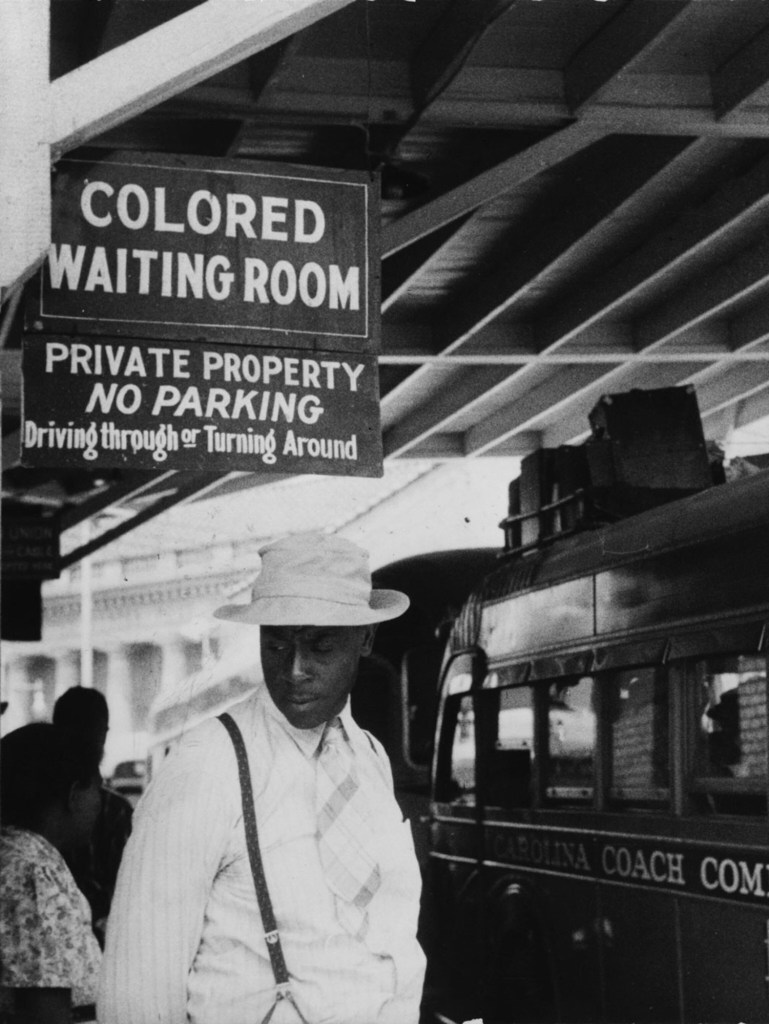
To be clear, I don’t believe in some long ago American utopia. For this reason, in principle I don’t believe in MAGA, in some long lost or squandered period of greatness to which we must claw our way back. When might that have been? During the Gilded Age when robber barons ruled supreme? During either of the World Wars or the Korean War or the Vietnam War or the various Gulf War conflicts? During Jim Crow and segregation? During Watergate or any of the various “Gates” since? When was America’s moment of greatness to which MAGA would return us? Every moment has its greatness and its squalor, the present moment included.
But we can, I believe despite all the evidence to the contrary, by the grace of God be a good people; we have it within us even though our politicians — on both sides of the aisle — do not demonstrate it themselves or call it forth from their constituents. Our congressmen and senators, our judges, our president and his cabinet should engrave upon their hearts and minds the vision of good, righteous government extolled in Psalm 72. And so should all those who vote. For Christians, this — not fifty-one percent of the thirty-five percent who actually vote — is the only godly electoral mandate. It is to this that all democratically elected officials — and perhaps those who elect them — must answer to God.
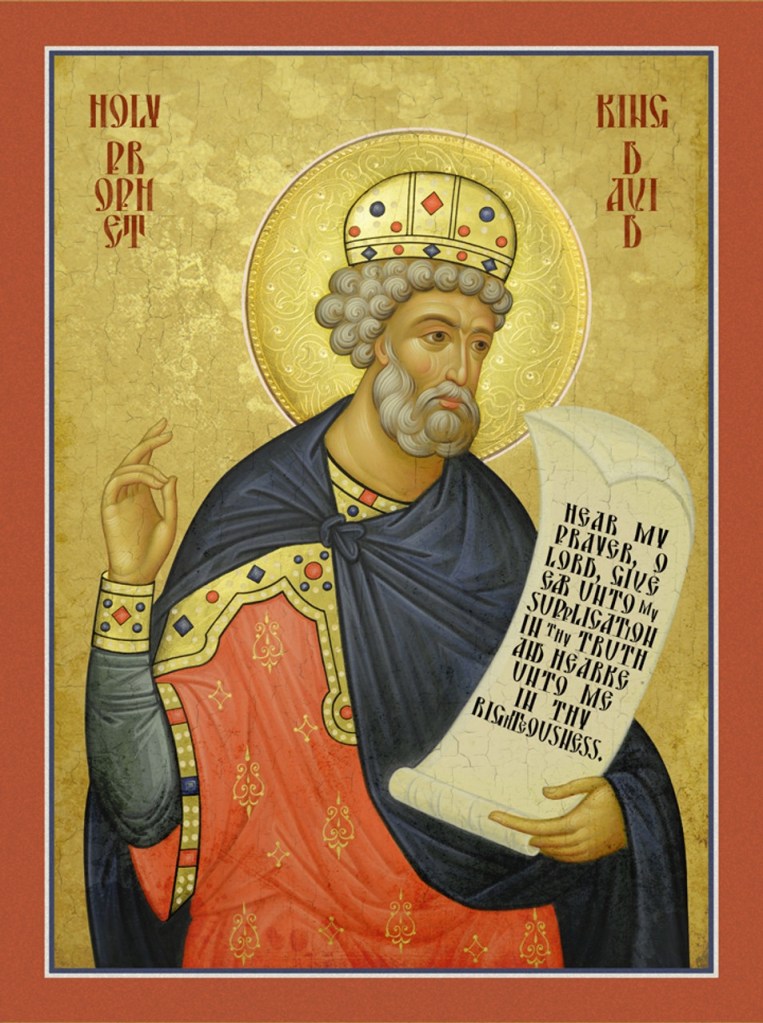
Psalm 72
1 Give the King your judgments, O God, *
and your righteousness to the King’s son.
2 Then shall he judge your people with righteousness *
and defend the poor with justice.
3 The mountains also shall bring peace, *
and the little hills righteousness to the people.
4 He shall vindicate the poor among the people, *
defend the children of the poor, and punish the wrongdoer.
5 They shall fear you as long as the sun and moon endure, *
from one generation to another.
6 He shall come down like the rain upon the mown grass, *
even as showers that water the earth.
7 In his time shall the righteous flourish, *
even an abundance of peace, so long as the moon endures.
8 His dominion shall be also from one sea to the other, *
and from the river unto the world’s end.
9 Those who dwell in the wilderness shall kneel before him; *
his enemies shall lick the dust.
10 The kings of Tarshish and of the isles shall give presents; *
the kings of Arabia and Seba shall bring gifts.
11 All kings shall fall down before him; *
all nations shall do him service.
12 For he shall deliver the poor when he cries, *
the needy also, and the one that has no helper.
13 He shall be favorable to the lowly and needy, *
and shall preserve the lives of the poor.
14 He shall deliver them from falsehood and wrong, *
and dear shall their blood be in his sight.
15 Long may he live! And unto him shall be given the gold of Arabia; *prayer shall ever be made unto him, and daily shall he be blessed.
16 There shall be an abundance of grain on the earth, thick upon the hilltops; *
its fruit shall flourish like Lebanon, its grain like the grass upon the earth.
17 His Name shall endure for ever; his Name shall remain as long as the sun. *
All the nations shall be blessed through him and shall call him blessed.
18 Blessed be the Lᴏʀᴅ God, even the God of Israel, *
who alone does wondrous things;
19 And blessed be the Name of his majesty for ever; *
and all the earth shall be filled with his majesty. Amen, Amen (BCP 2019).
To borrow from Sorkin’s words: We’re not. We’re not this anymore, if we ever were. But we sure could be.


 First Blessings