
ACHAN
The Old Testament lesson for Morning Prayer today — Joshua 7, the cleansing of Israel’s sin by the stoning of Achan — is brutal in every sense of the world: disobedience, death, and destruction enough to go around. How are we to read such a text? What are we to make of it? What are we to “do” with it?
The Church Fathers teach us four senses of Scripture, four interpretive lens through which Scripture may — and must — be read: literal, allegorical/typological, tropological, and anagogical.
The literal sense of Scripture is the most fundamental of the four; we must start there as the primary, foundational meaning of Scripture. This requires rightly viewing scripture according to its genre of literature. If the text is a historical narrative, as is Joshua 7, then we approach it as a historian might, with a historian’s questions: What happened and why? What were the precursor events and what followed subsequently? How does this event fit in with the overall historical narrative? If the text is poetry, as are the Psalms, then we read them with a poet’s heart and asking a poet’s questions of the text. We ask why God might have chosen to express a particular truth through song or proverb. The literal sense of Scripture takes the text seriously as literature.
The allegorical/typological sense of Scripture looks for sign posts in the Old Testament pointing toward their fulfillment in the life of Christ and in the life of the Church. When St. Peter compares the purifying effects of the great flood to the waters of baptism, that is an allegorical reading. St. Paul reads covenant theology allegorically when he compares the Law (the old covenant) to Hagar and faith (the new covenant) to Sarah.
The tropological sense of Scripture is its moral sense. It considers how this text points toward right living. It is Scripture read in the ethical imperative mode: now, go and do likewise.
The anagogical sense looks toward last things. What does this text say about the age to come, and perhaps how we should understand and live in this age in which the Kingdom of God is inaugurated but not yet here in its fullness?
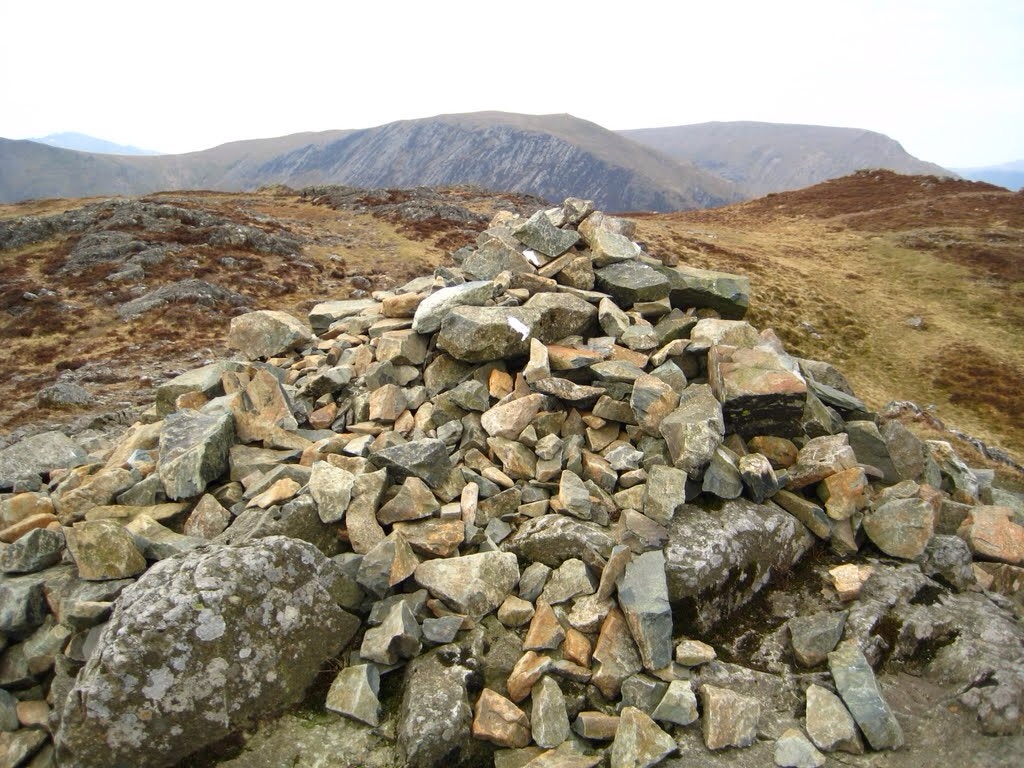
So, how do we read Joshua 7. All four senses might well be present and useful, but I am drawn to a tropological reading of it. This text speaks of the danger of hidden sin and of the need to root it out step-by-step and to utterly destroy it when it is found. It demands a thorough, honest to God, self-examination, bringing forth every aspect of my life tribe by tribe, clan by clan, family by family, person by person until my sin lies exposed before God (and perhaps before a priest in confession). And when that sin is rightly and fully identified, when repentance is evident, then I must move to amendment of life, to the utter repudiation and elimination of that sin. I must stone it, burn it with fire, and stone it again until all that remains is a heap of charred rocks. Little sins winked at become large sins which destroy us. We must ruthlessly root them out and destroy them first. If you try to take Ai without cleansing the sins of Jericho from your life, if you try to move ahead carrying with you those things devoted to destruction, disaster lies ahead. When we read this text literally, we speak of the sin of Achan. When we read it tropologically, we speak of Achan as our sin which must be eliminated.


 First Blessings